



A brief podcast reaction has become another public chapter in the relationship between Nollywood actors Eniola Badmus and Laide Bakare. Badmus apologised after a clip from Curiosity Made Me Ask circulated online, acknowledging that her response when Bakare’s name came up could have appeared dismissive.
The apology, reported by Tori on October 20, expressed a wish to move forward peacefully. A subsequent P.M. News report recorded Bakare’s terse public response, “Fake apology.” Those are the current public developments. They do not establish that the disagreement has been resolved, nor do they give outsiders a complete account of the relationship.
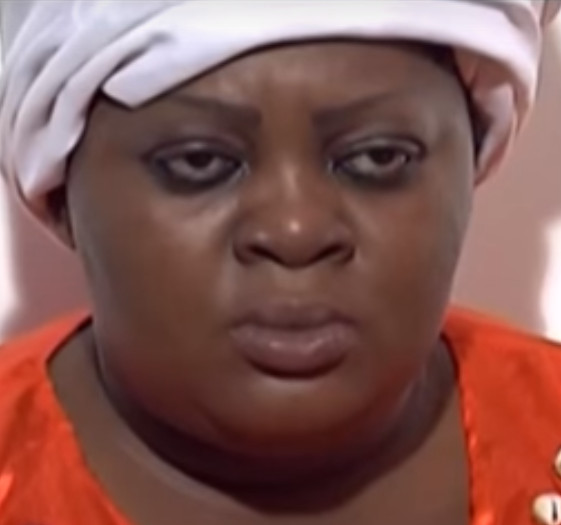
The sequence helps explain why the clip kept moving through entertainment feeds. First came an ambiguous-looking facial reaction in an interview setting. Then one of the people named in the conversation responded. The apology supplied a third piece of material, and the response to that apology supplied a fourth. Each item could circulate alone, giving readers a different impression depending on which part reached them first.
The importance of the full exchange
Curiosity Made Me Ask is built around a host and guest interaction, and a short extract cannot carry every tonal cue from a complete conversation. Badmus’s own acknowledgement is therefore a firmer basis for reporting than a stranger’s attempt to infer her thoughts from a still image. She addressed how her reaction could have been received and chose to apologise publicly.
Bakare’s response matters for a similarly straightforward reason: it prevents a headline from turning the apology into a confirmed reconciliation. One person offering an apology and another accepting it are separate developments. Reporting the first does not justify inventing the second. The available public statements leave the relationship unresolved in public, whatever may happen privately.
Celebrity disagreements often develop an archive of older clips, captions and claims. Reposting all of that material can make a small current update look like a fresh allegation about somebody’s entire character. The clearest way to follow this story is chronological: identify the recent interview clip, read the apology and then read the response. An undated compilation can obscure that sequence.
Why the story travels so easily
A podcast supplies facial expressions and conversational pauses that are easy to crop into a reaction video. Social platforms then give those moments new settings through captions, remixes and replies. The person sharing a clip may be commenting on the programme, recalling an older disagreement or simply looking for a reaction. Those uses can amplify one another even when no further factual development has occurred.
For the actors involved, that means a public gesture can remain visible long after its original context has slipped from the feed. For readers, it creates a reason to be more precise about what is being discussed. A reported apology is a statement; a commentator’s description of it as sincere or insincere is an interpretation. Neither needs to be converted into an unsupported claim about motive.
Badmus has made her public position known, and Bakare has made clear that the message did not settle the matter for her in that moment. That is enough to explain the latest update without recycling private correspondence or inviting harassment. Any further change in the story should come from a new, identifiable public statement, rather than from the number of times an old clip appears on a timeline.
Discover more from PMNBuzz.com - A PRIME MEDIA NETWORK BRAND
Subscribe to get the latest posts sent to your email.






