



For a small business, electricity is not an abstract development target. It is the difference between keeping equipment working and losing a day’s production. That practical problem runs through the work of Nigerian energy entrepreneur Nkechi Okenwa, whose public profiles connect renewable power with women’s skills and business opportunities.
Okenwa leads Energy Excell Systems and Solutions and founded the Women in Energy Empowerment and Sustainability Initiative, commonly called WEESI. A profile published by Black News describes work involving solar installations, training and productive uses of energy. Her company has also highlighted coverage of her work in the sector.
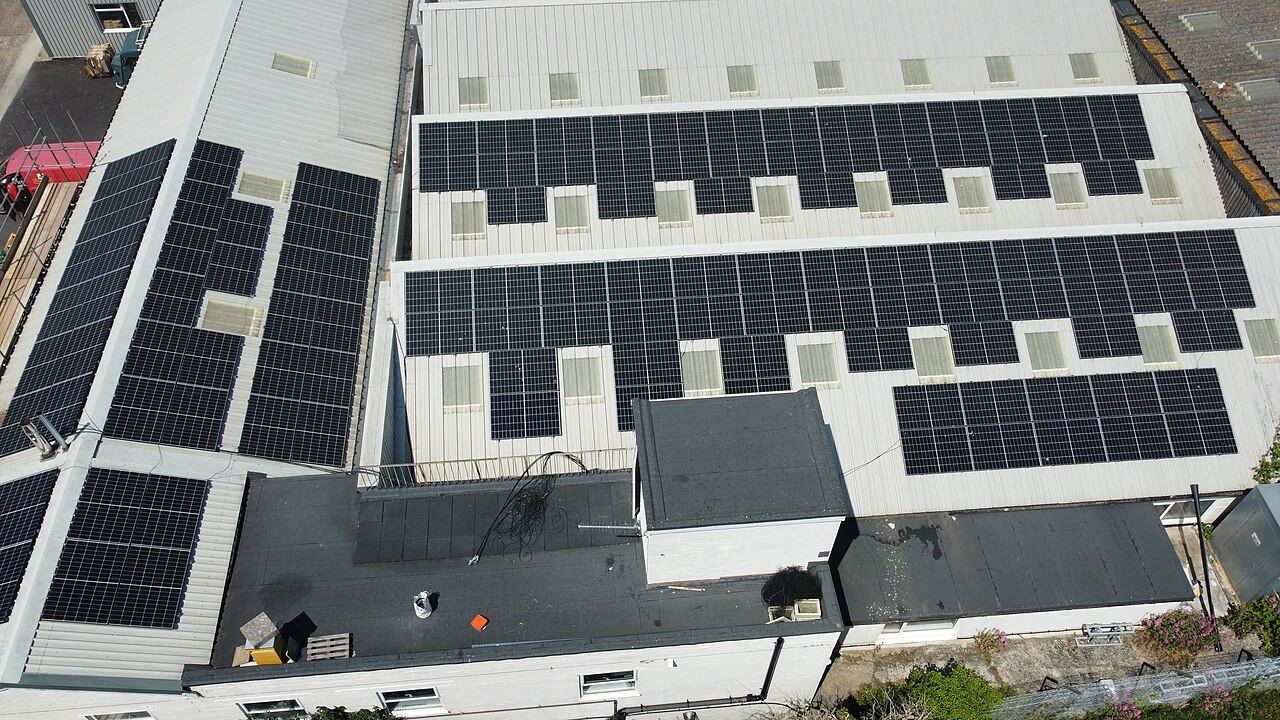
The appeal is straightforward: expanding energy access and expanding who gets to work in energy can reinforce each other. A solar-powered machine can help a business operate, while a trained local technician can make the system easier to maintain. Neither outcome is automatic, but the connection is more substantial than treating a panel installation as the end of the story.
Power that does a job
Productive-use energy describes electricity tied to work, such as processing agricultural produce or running equipment. Its usefulness depends on the actual load. A system that comfortably charges phones may be unsuitable for a grinder or other motor-driven machine, especially at startup. That is why an energy audit and realistic equipment specification matter before a purchase.
For women running small enterprises, reliable equipment can create choices about working hours and output. It does not remove every obstacle a business faces. Market access, the cost of inputs, safe premises and customer demand still determine whether increased production becomes increased income. Energy is a foundation, not a substitute for the rest of the business.
Okenwa’s profiles also describe training in areas such as solar installation and maintenance. The significance is not simply that women attend a workshop. A valuable training pathway should make it possible to demonstrate competence, gain practical experience and obtain work. Those later steps are the difference between a photograph of a graduation and a lasting professional opportunity.
The questions behind a successful project
For a community considering a similar initiative, the useful questions are concrete. Who owns the system? Who services it? What happens when a component needs replacing? How are charges or shared access decided? A project can be technically sound and still struggle if the maintenance arrangements are unclear to the people expected to use it.
The same applies to claims about impact. Counting people trained, households connected and businesses supported can describe different things. Those figures should not be added together as though every participant received the same service. Clear reporting makes a project’s strengths easier to understand and its gaps easier to address.
The renewed interest in Okenwa’s work is therefore a chance to look beyond the familiar image of solar panels on a roof. The more useful conversation is about the local skills, functioning equipment and viable enterprises around those panels. A durable clean-energy transition needs people able to install, manage and improve systems long after the launch event has ended.
Discover more from PMNBuzz.com - A PRIME MEDIA NETWORK BRAND
Subscribe to get the latest posts sent to your email.






