



Senegal is approaching a sporting milestone that reaches beyond the host city. The Dakar 2026 Youth Olympic Games are scheduled for October 31 to November 13, making this the first Olympic sporting event to take place on the African continent.
The International Olympic Committee’s Dakar 2026 press kit sets out a programme for approximately 2,700 athletes. It includes 151 medal events across 25 competition sports, with a further group of sports represented through an engagement programme. These categories should not be merged into a claim that every activity on offer is a medal competition.
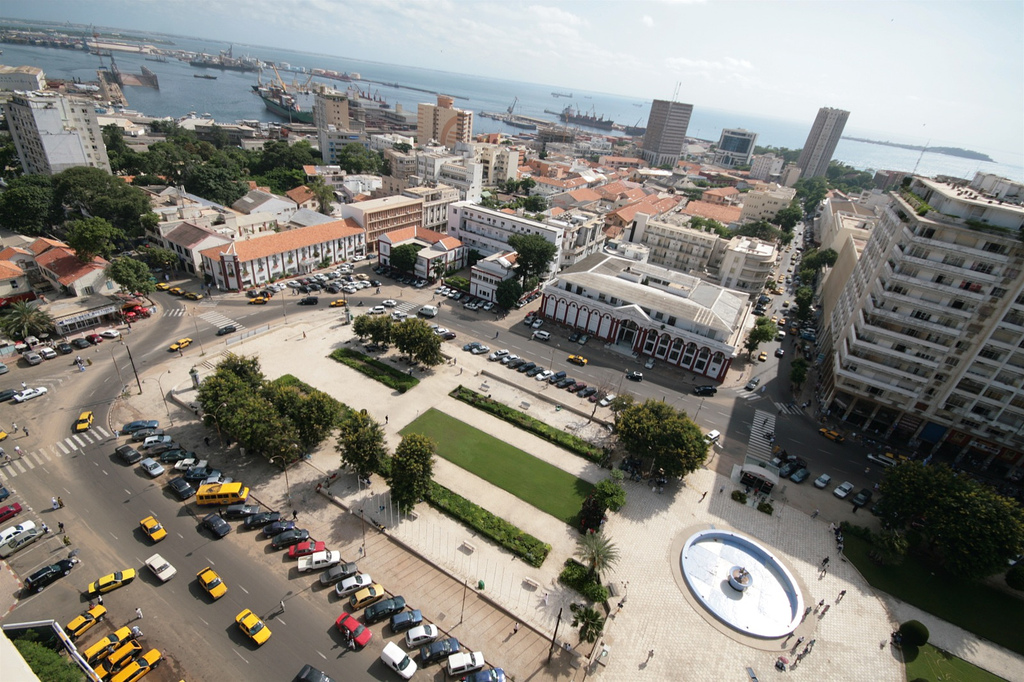
For Senegal and African sport more broadly, the occasion creates an opportunity to see young international athletes compete on home-continent ground. It is a Youth Olympic Games, not an adult Summer Olympics, and that identity is part of its value rather than a detail to overlook.
A different kind of Olympic introduction
Youth competition gives an audience a chance to follow athletes before their careers have settled into familiar narratives. Some may later become leading senior competitors; others will take different paths. The event should be enjoyed as meaningful competition in its own right, without treating every teenage result as a guaranteed forecast of the next decade.
It also brings different sporting cultures into contact. An athlete’s experience is shaped not only by the final but by preparation, shared spaces and the demands of an international schedule. Those less visible parts of the event can be significant for competitors encountering this level of organisation for the first time.
For Nigerian and other African viewers, the strongest starting point is to identify the sports and athletes in which their country is actually represented. An entry list, a start list and a final result are three different documents. A name in an early selection announcement should not be presented as a medal winner or even a confirmed starter without the later information.
Following or visiting Dakar
The official Dakar 2026 website should be used for current venue, session and access information. Travel plans should be based on a specific event and location rather than an assumption that all sport is happening in one stadium. The published programme is broad enough that visitors need to decide what they most want to see.
People travelling from Nigeria should also account for the time difference. Senegal uses UTC, one hour behind Lagos. A session listed in Dakar local time will therefore start an hour later on a Nigerian clock. Small distinctions like that matter when several events overlap.
Accreditation information for journalists is not a general spectator ticket policy. Likewise, a transport arrangement for an accredited group does not establish free public travel for every visitor. Reading the correct section of the organiser’s guidance avoids expensive assumptions.
Dakar’s landmark is both symbolic and practical: an African host is preparing the venues, movement and daily operations behind a worldwide sporting event. Once competition begins, that long preparation will become a sequence of individual performances. The most rewarding coverage will keep both scales in view—the continental milestone and the young people actually taking part.
Discover more from PMNBuzz.com - A PRIME MEDIA NETWORK BRAND
Subscribe to get the latest posts sent to your email.






