



Nigeria’s mini-grid conversation is moving beyond whether a community has a new power installation to whether that installation can support reliable, affordable work. A recent project in Balanga, Gombe State, provides a useful example of that wider test.
An October 19 report in The Guardian describes the commissioning of a one-megawatt mini-grid with 2.4 megawatt-hours of battery storage, alongside plans for further investment. The Rural Electrification Agency’s leadership presented reliability and productive use as central to the programme, rather than counting equipment alone as the final outcome.
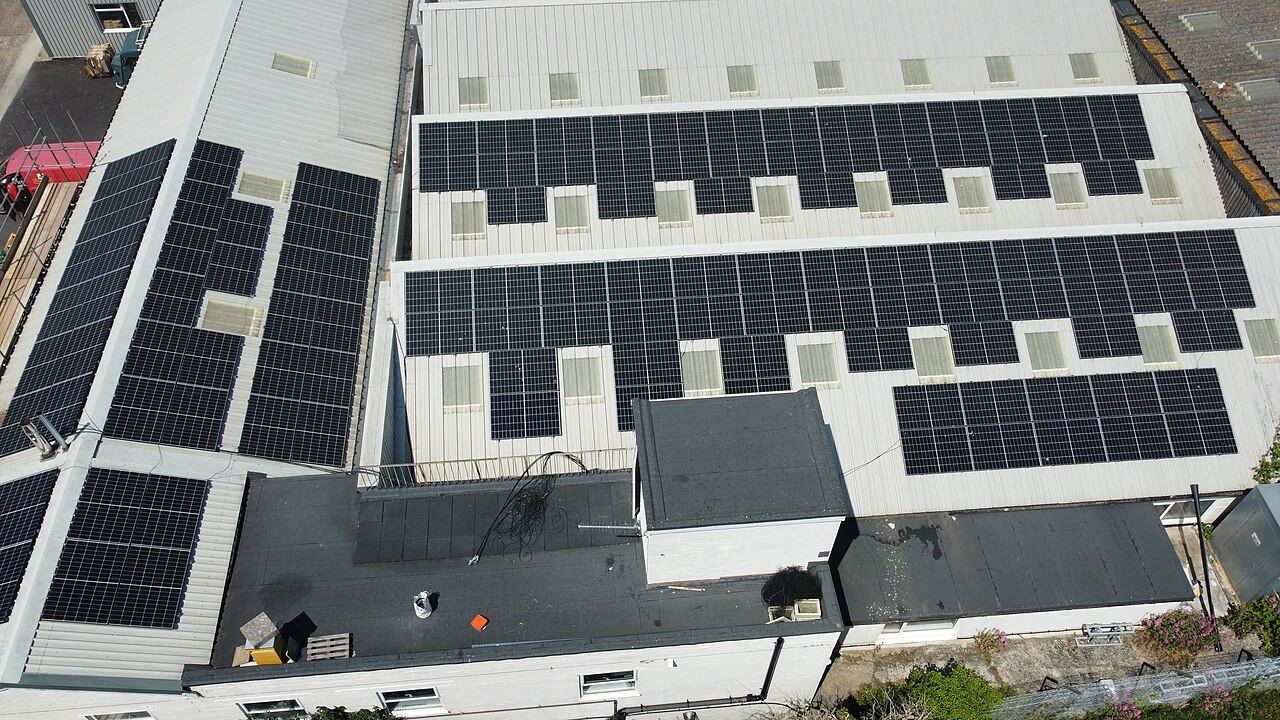
The units are worth separating. Megawatts describe power output, while megawatt-hours describe an amount of stored energy. A battery’s stated capacity does not, by itself, establish a guaranteed number of hours of supply for every customer. The load, operating conditions and system design all affect that calculation.
Electricity becomes valuable through use
For an agricultural community, a dependable supply can support activities such as milling, processing and refrigeration. That creates the possibility of doing more work locally instead of moving raw produce elsewhere for every stage. But the equipment needs to suit the available power, and the business still needs customers for what it produces.
A connection is therefore a starting point, not proof of a profitable enterprise. A processor may need finance for a machine, a suitable building or training before a new supply produces additional income. Looking at those surrounding conditions gives a more realistic picture of energy access than assuming every connected household immediately becomes a successful business.
Tariffs matter in the same practical way. A charge that a customer cannot afford limits use; a service that cannot meet operating and maintenance costs may struggle to continue. The durable solution needs to work for both sides rather than promise that solar equipment has no ongoing costs.
Agreements are part of the infrastructure
The Nigerian Electricity Regulatory Commission’s mini-grid guidance lists community agreements, system information and safety documentation among the requirements for the relevant applications. The exact process depends on the category of project. A community should not assume that every installation follows an identical permit route.
For customers, the important questions are understandable: who is responsible when supply fails, how are bills explained, and what service has actually been agreed? A clear process for faults and complaints can be as valuable in daily life as a technical description of the panels and batteries.
The stages of development also need careful reporting. A groundbreaking marks the start of work, commissioning marks a different milestone, and sustained operation is another test again. Adding the capacities of proposed and operating projects into one completed-supply figure would hide those differences.
Balanga’s investment is best understood through that fuller lens. The equipment is significant, but the next evidence will be the service customers receive and the productive activity it can support over time. Publishing that operating record would help distinguish a durable improvement from an impressive launch-day announcement. Reliable performance, maintenance and clear commercial arrangements are what turn an energy project into a useful part of a community’s economy.
Discover more from PMNBuzz.com - A PRIME MEDIA NETWORK BRAND
Subscribe to get the latest posts sent to your email.






