



Apple’s HomeView is due to reach its first markets on November 13, introducing a shared screen for entertainment, communication and smart-home control. The product is designed to sit on a table or mount on a wall, rather than behave like another personal phone that happens to be left in the kitchen.
In its October 13 announcement, Apple describes a seven-inch display, face recognition for up to six users and Siri AI features. Some personalised functions depend on a compatible Apple Intelligence-enabled iPhone or iPad. The company also sets out regional restrictions, so a headline availability date should not be interpreted as a universal launch in every country.
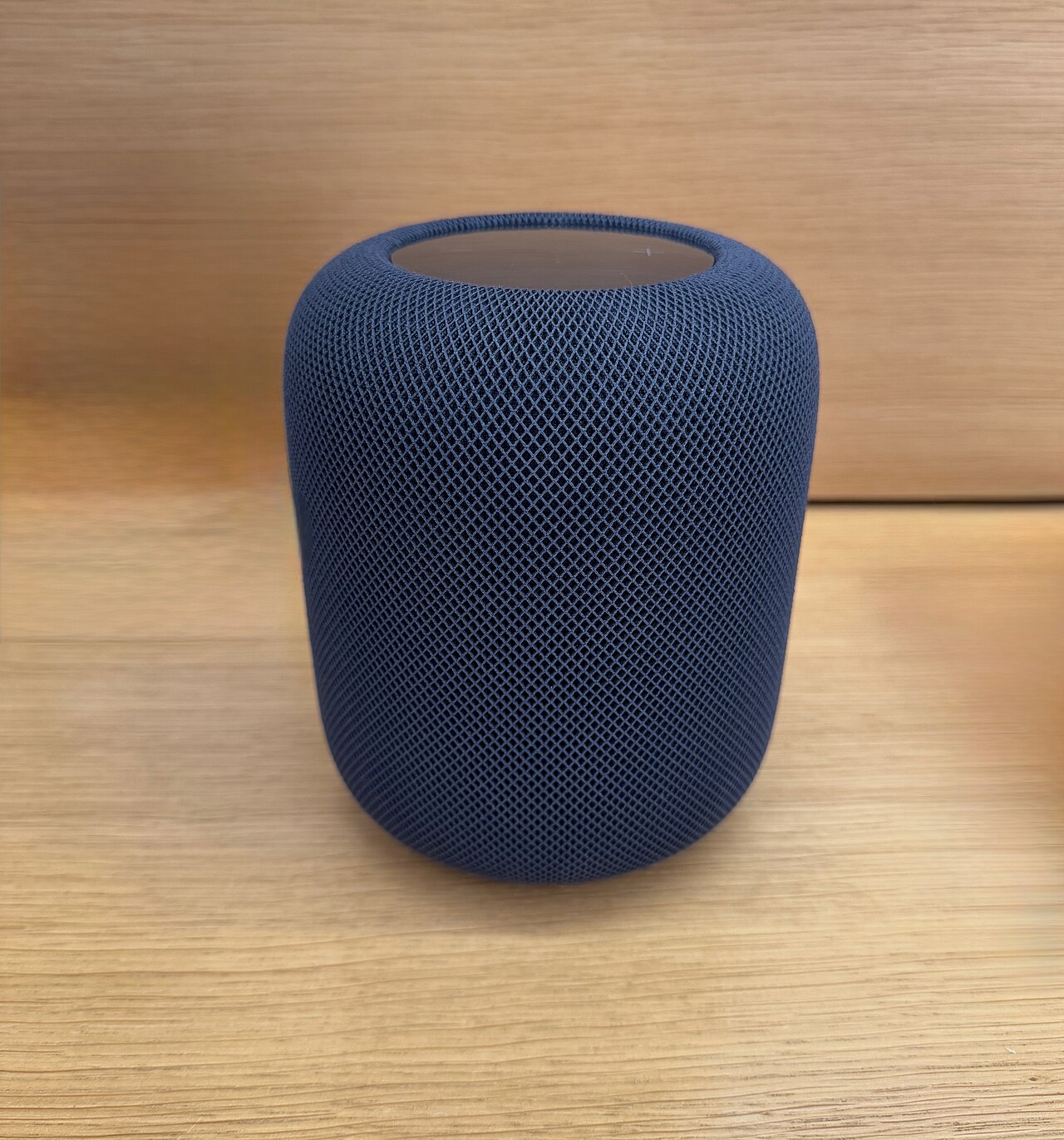
Nigeria is not listed among the initial markets in that announcement. South Africa is included through authorised resellers. An imported product may raise different questions about feature access, support and warranty, and this preview does not establish a Nigerian retail price or local service arrangement.
Does a household need a shared screen?
The most useful way to assess the idea is to start with an actual task. A display that makes a timer visible, supports a family call or provides a convenient place to control compatible devices may solve a recurring problem. Buying it only because it is a new category does not establish that it will be used.
A shared device also creates a different privacy situation from a personal phone. Household members may want access to music and common controls without making private messages or calendars visible to everyone. The relevant question is how the product separates those experiences in practice, not simply whether it recognises a face during a demonstration.
Placement matters too. A screen useful from a kitchen counter may be awkward to use from a doorway, while a wall installation creates decisions about power and mounting. Those practical choices should be considered before selecting a model, especially in a rented space where alterations may require permission.
Check the surrounding system
Smart-home products work within a collection of devices and services. A buyer should check whether existing lights, cameras or other accessories are compatible rather than assume that every connected product can be controlled in the same way. A shared ecosystem can simplify some tasks while creating dependencies that are easy to overlook.
Internet and power reliability are another part of the experience. A product may perform several functions, but the behaviour of each during an outage can differ. The sensible approach is to examine the documented requirements for the particular task that matters to the household.
This is also a pre-release assessment, not a hands-on review. The official specification explains what Apple is offering; it does not independently prove real-world sound quality, recognition performance or reliability in a particular Nigerian home. Those judgements require actual testing.
HomeView’s most interesting proposition is therefore not the screen size alone. It is the attempt to make one object useful to several people while retaining their individual information and preferences. Whether that earns a place in a home will depend on the ordinary tasks it makes easier, the services available locally and the total practical cost of bringing the system together.
Discover more from PMNBuzz.com - A PRIME MEDIA NETWORK BRAND
Subscribe to get the latest posts sent to your email.






